
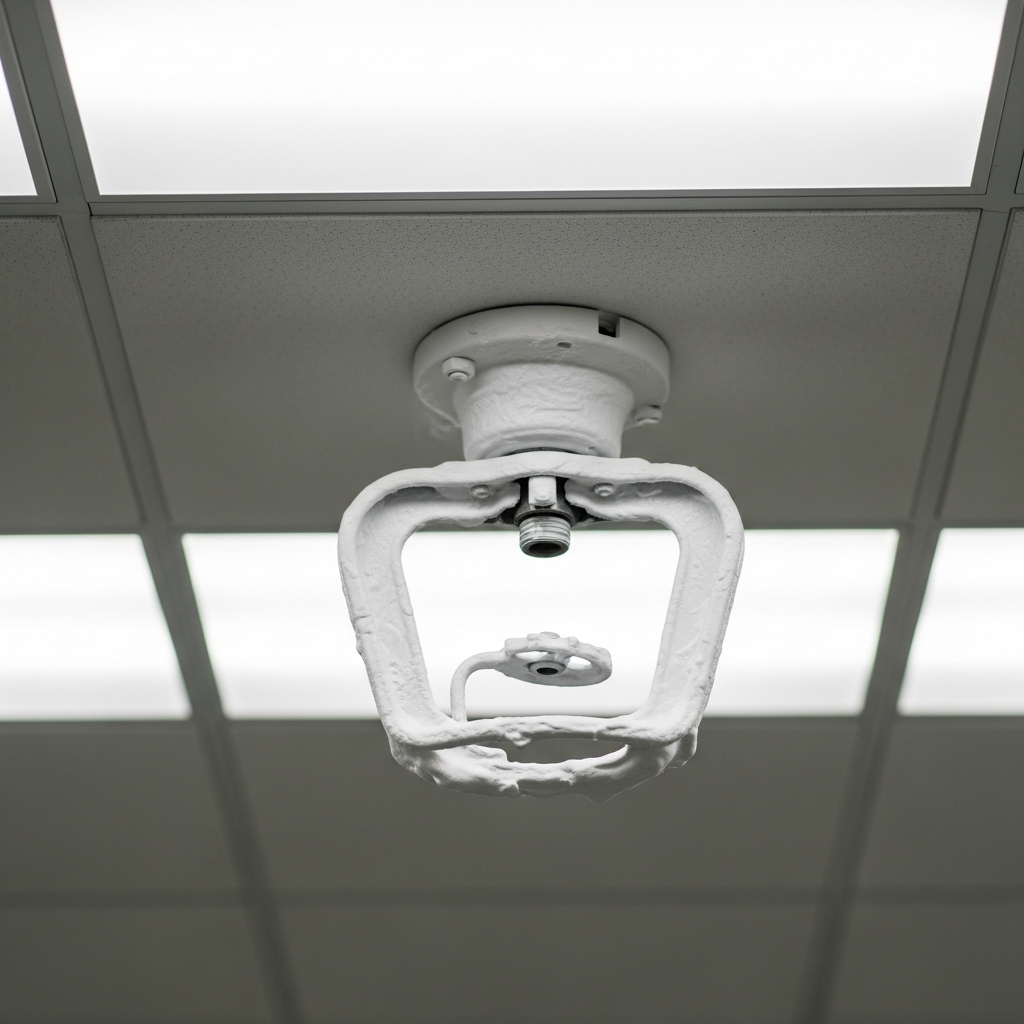
Most fire protection systems in Southern California commercial buildings are not broken in obvious ways. They are broken in quiet ones. A sprinkler head painted over during a renovation. A control valve left in the closed position after a repair. A fire pump that has not been tested under load since the previous owner was responsible for the building. None of these show up on a certificate of occupancy. All of them show up when a fire does. This article explains how fragmented fire protection contracts create the conditions for these failures, why they are accelerating as NFPA codes evolve around EV charging and battery storage, and what single-source accountability actually looks like for a multi-site property manager in the Inland Empire. Schedule a free compliance assessment at the link below.