
Importance of Inspection Documentation for Businesses
Compliance, Local Business Operations
Why Inspection Documentation Matters More Than You Think
From restaurants and salons to warehouses and small manufacturers, local businesses live and die by inspections. Yet many owners still treat inspection paperwork as a box-ticking exercise rather than a strategic asset. Done right, inspection documentation can protect your license, your reputation, and your bottom line.
More Than Paperwork: Your First Line of Defense
For many local businesses, inspections feel stressful and disruptive. But the documentation that comes with them is often your strongest protection when something goes wrong. Clear records show that you took reasonable steps to keep customers, staff, and the community safe. In disputes, complaints, or claims, that can be the difference between a quick resolution and an expensive headache.
Regulators, insurers, and even landlords increasingly expect to see organized, up-to-date inspection files. When you can produce them instantly, it signals professionalism, builds trust, and often leads to smoother inspections in the future. When you cannot, it raises questions—whether or not you are actually doing anything wrong.
How Strong Documentation Protects Local Businesses
Whether you run a café, a dental clinic, a gym, or a small warehouse, inspection documentation can quietly support your business in several powerful ways:
Compliance and license security: Consistent records of health, fire, safety, or equipment inspections help prove you meet local regulations and deserve to keep operating without interruption.
Faster issue resolution: If a customer files a complaint or an incident occurs, dated checklists, photos, and reports can quickly show what was in place and when it was last checked.
Insurance and legal protection: Insurers often ask for proof of maintenance, safety checks, and staff training. Strong documentation can support claims and may even help you secure better terms over time.
Operational consistency: When inspections are documented with clear checklists and notes, it becomes easier to train new staff and keep standards high, even as your team changes.
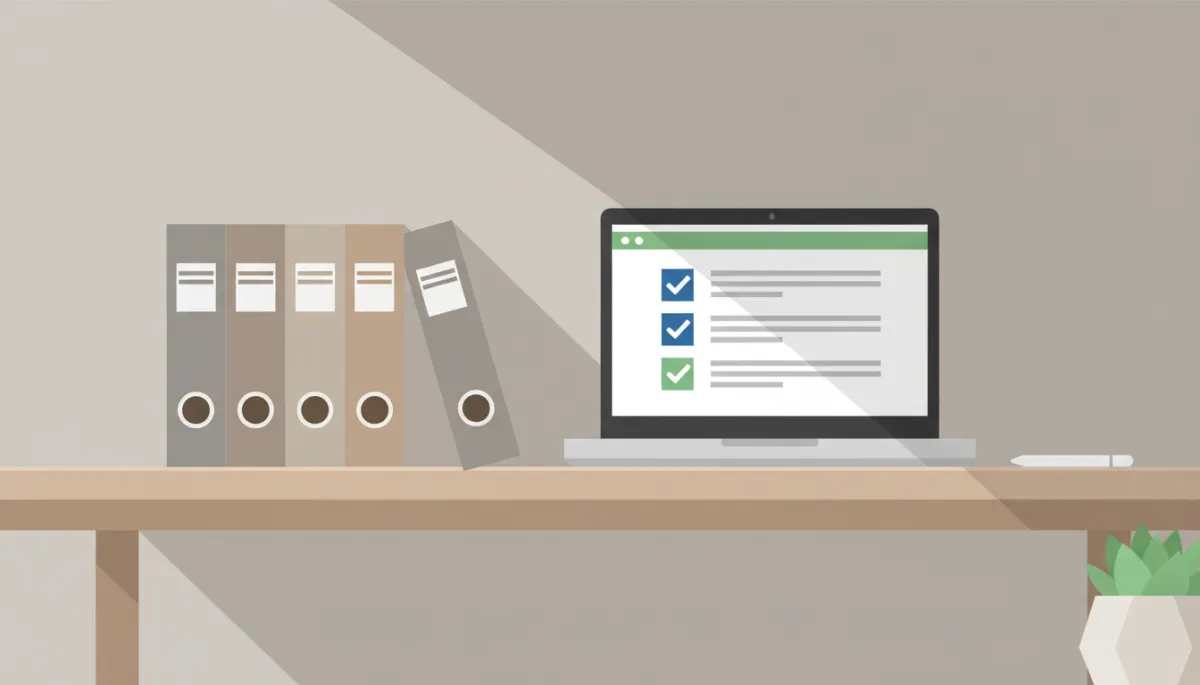
Well-organized inspection records turn surprise visits into quick, confident check-ins.
From Stressful Surprise to Smooth Routine
Many local owners worry about “surprise inspections.” In reality, the surprise is only stressful when documentation is scattered. When your inspection records live in one place—clearly labeled, dated, and easy to access—an unannounced visit becomes far less intimidating. You know exactly where your last fire extinguisher check, food safety audit, or equipment service report is stored, and you can produce it in seconds.
💡 Pro Tip for Local Owners: Choose one “home” for all inspection documents—whether that is a labeled binder behind the counter or a simple digital folder—and train at least two team members to keep it updated.
Turning Documentation Into a Competitive Advantage
In a local market, reputation is everything. When you can show inspectors, customers, and partners that your business takes safety and compliance seriously, you stand out. Simple steps—like logging every inspection, noting corrective actions, and keeping records for several years—tell a story of reliability and care that marketing alone cannot buy.
Inspection documentation may not feel exciting, but it matters far more than most business owners realize. Treat it as part of your brand, not just a chore. With a little structure and consistency, your records can help protect your license, support your staff, reassure your community, and keep your local business open and thriving for years to come.