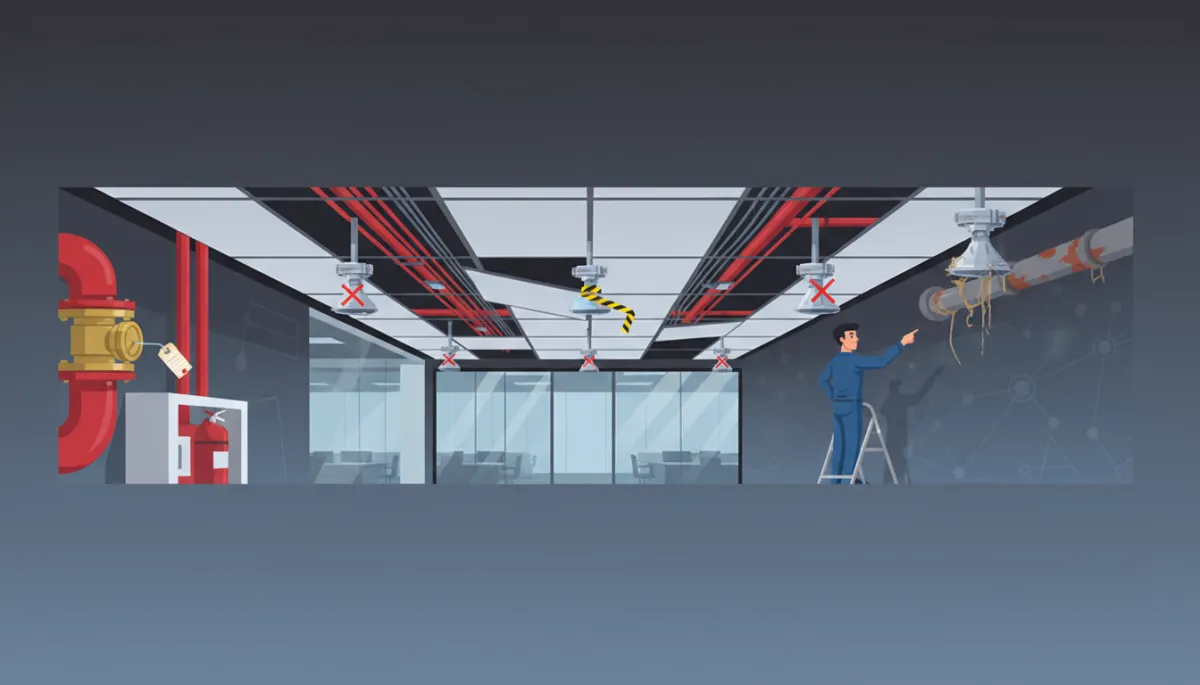
Avoid Common Fire Sprinkler Violations
Fire Safety, Commercial Buildings, Local Businesses
Common Fire Sprinkler Violations in Commercial Buildings: What Local Businesses Need to Know
Fire sprinklers are one of the most effective life‑safety systems in any commercial building, yet many local businesses unknowingly operate with serious violations. Understanding the most common issues can help you stay compliant, protect your people, and avoid costly fines or shutdowns.
Why Sprinkler Compliance Matters for Local Businesses
For small and mid‑sized local businesses, a fire code violation is more than a paperwork issue. It can lead to failed inspections, fines, higher insurance costs, or even temporary closure. More importantly, non‑compliant fire sprinklers may fail when you need them most, putting employees, customers, and your entire investment at risk.
Most violations are preventable with basic awareness and routine maintenance. Below are the problems fire marshals and inspectors see again and again in commercial buildings of all types—from retail shops and restaurants to offices, warehouses, and medical suites.
1. Blocked or Obstructed Sprinkler Heads
One of the most common fire sprinkler violations in commercial buildings is simple obstruction. Sprinkler heads must have a clear radius so water can spray evenly across the room. In busy local businesses, that clearance is often compromised by:
Stacked inventory or shelving too close to ceiling sprinklers in stock rooms or warehouses
Decorative elements, banners, or signs hung in front of sprinkler heads in retail or hospitality spaces
Light fixtures, ductwork, or new partitions added during renovations without considering sprinkler coverage
💡 Pro Tip: Train staff to keep at least 18 inches of clearance below ceiling sprinklers in storage areas and never hang items from sprinkler piping or heads.
2. Painted, Damaged, or Altered Sprinkler Heads
Sprinkler heads are carefully engineered devices. When they are painted, bent, or tampered with, they may not activate correctly in a fire. Common violations include:
Overspray from ceiling painting or tenant improvements covering sprinkler heads or escutcheons
Sprinklers accidentally struck by ladders, equipment, or forklifts, leaving them bent or misaligned
Decorative covers that are not listed for use with the specific sprinkler model
Any painted or damaged sprinkler head in your commercial space typically must be replaced—not cleaned or “touched up.” This is a frequent citation during inspections of older buildings and recently remodeled suites.
3. Missing or Out‑of‑Date Inspections and Testing
Fire codes require regular inspection, testing, and maintenance of sprinkler systems. For many local businesses, the violation is not that the system is broken—it is that there is no documentation to prove it has been properly checked. Common issues include:
No current annual inspection report from a licensed fire protection contractor
Missing records of quarterly or annual testing of valves, alarms, and waterflow devices
Failed items on past reports that were never corrected or re‑inspected
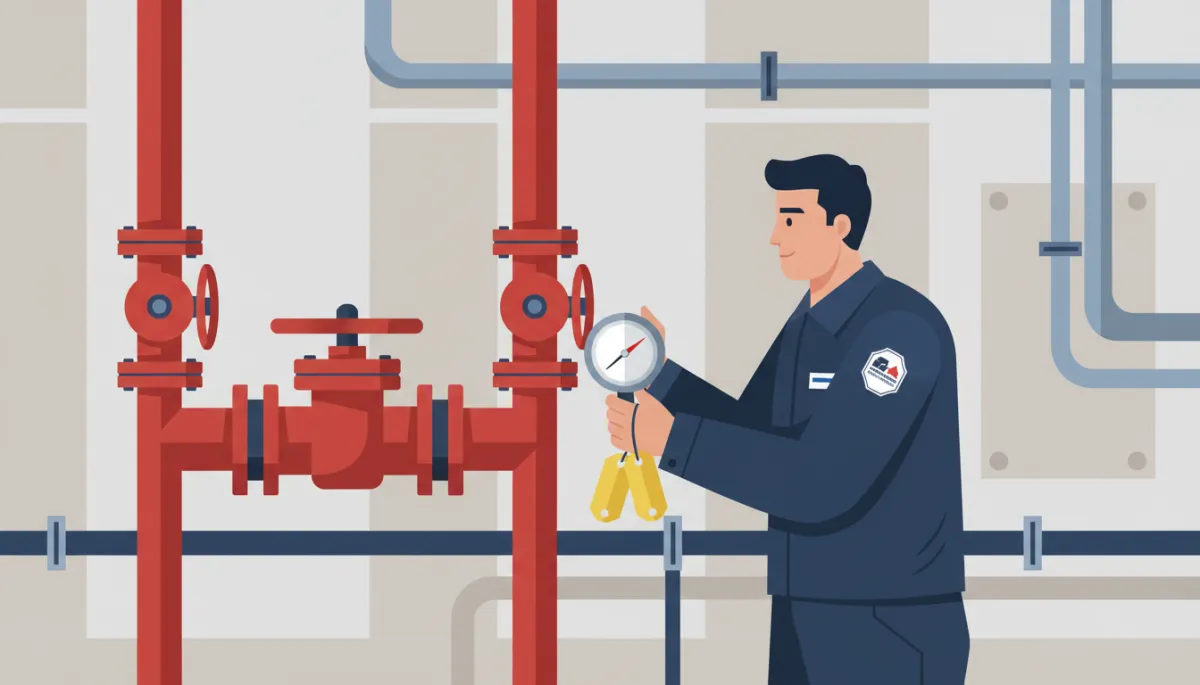
Consistent professional inspections help local businesses avoid surprise violations and downtime.
4. Closed, Tampered, or Inaccessible Control Valves
Sprinkler control valves must be open, supervised, and easy to reach. In commercial buildings with multiple tenants, valves are sometimes shut off for repairs and never reopened, or they are hidden behind storage or new walls. Inspectors frequently write up violations for:
Control valves not locked or monitored, making them vulnerable to accidental closure
Valves blocked by boxes, equipment, or furniture in back rooms and utility spaces
Valves located in another tenant’s space with no clear access arrangement
5. Inadequate Coverage After Renovations or Change of Use
Local businesses evolve—walls are moved, storage heights change, and new equipment is added. But sprinkler systems are designed for specific layouts and hazards. When you remodel or change how a space is used without updating the system, you may create hidden code violations and unsafe conditions, such as:
New rooms or offices without adequate sprinkler coverage or with excessive spacing between heads
Converting light‑hazard office space into high‑pile storage without upgrading the sprinkler design
Adding drop ceilings or bulkheads that trap heat and delay sprinkler activation
📌 Key Takeaway: If you pull a building permit for renovations, involve a licensed fire sprinkler contractor early so your project stays compliant from day one.
Practical Steps for Local Business Owners and Managers
You do not need to be a fire protection expert to reduce risk in your commercial building. A few simple habits can dramatically cut down on common sprinkler violations:
Schedule regular inspections with a qualified fire sprinkler company and keep reports on file.
Walk your space monthly to look for blocked heads, painted sprinklers, or storage too close to the ceiling.
Before any renovation or layout change, confirm that the sprinkler system design will still be adequate.
Protect Your People, Property, and Business Reputation
Common fire sprinkler violations in commercial buildings are often the result of everyday business pressures—limited storage, quick remodels, or simple oversight. For local businesses, taking the time to correct these issues now is far easier than dealing with an emergency later. By partnering with experienced fire protection professionals and building simple checks into your routine, you can stay compliant, pass inspections with confidence, and, most importantly, keep everyone in your building safer.